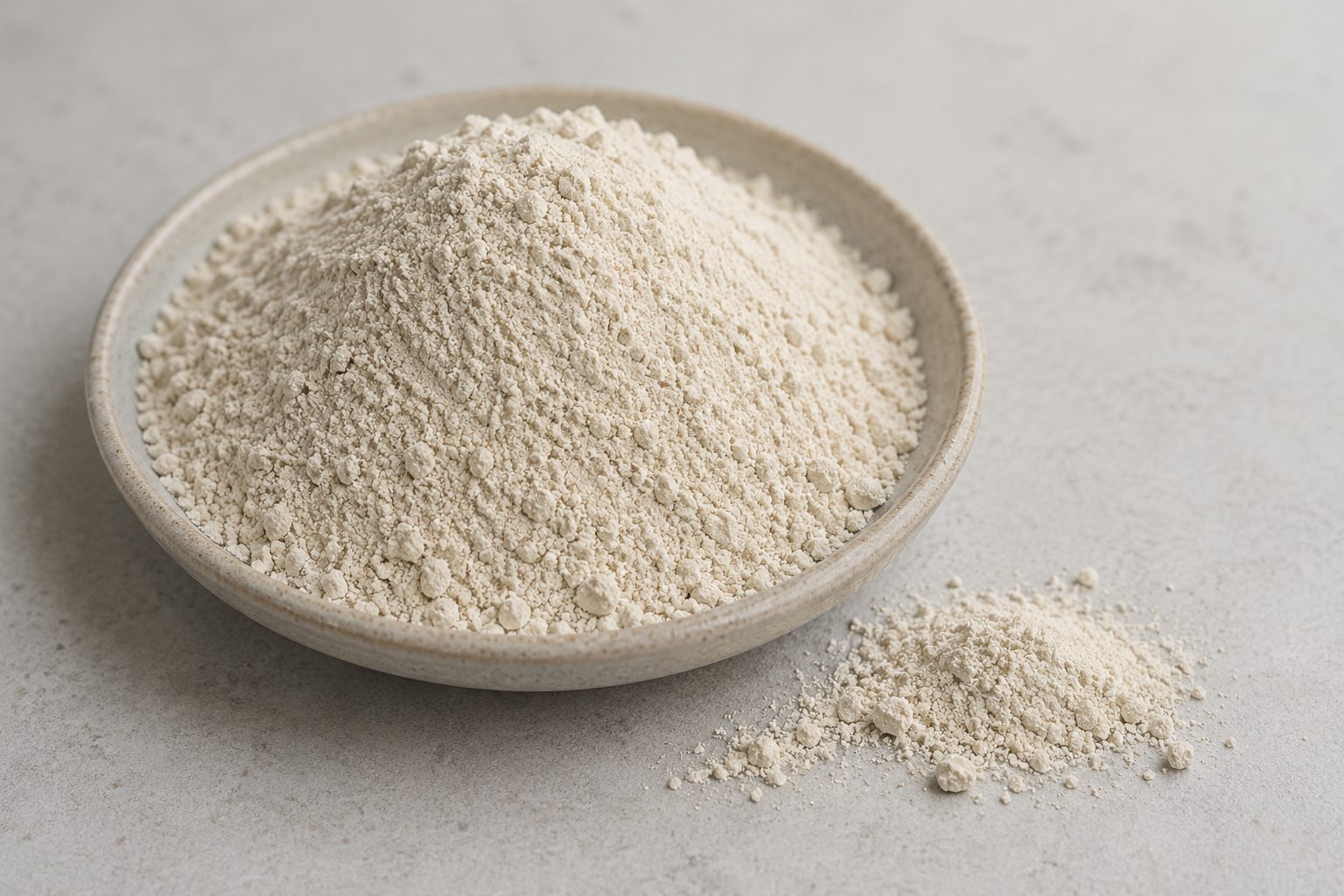
What is bentonite
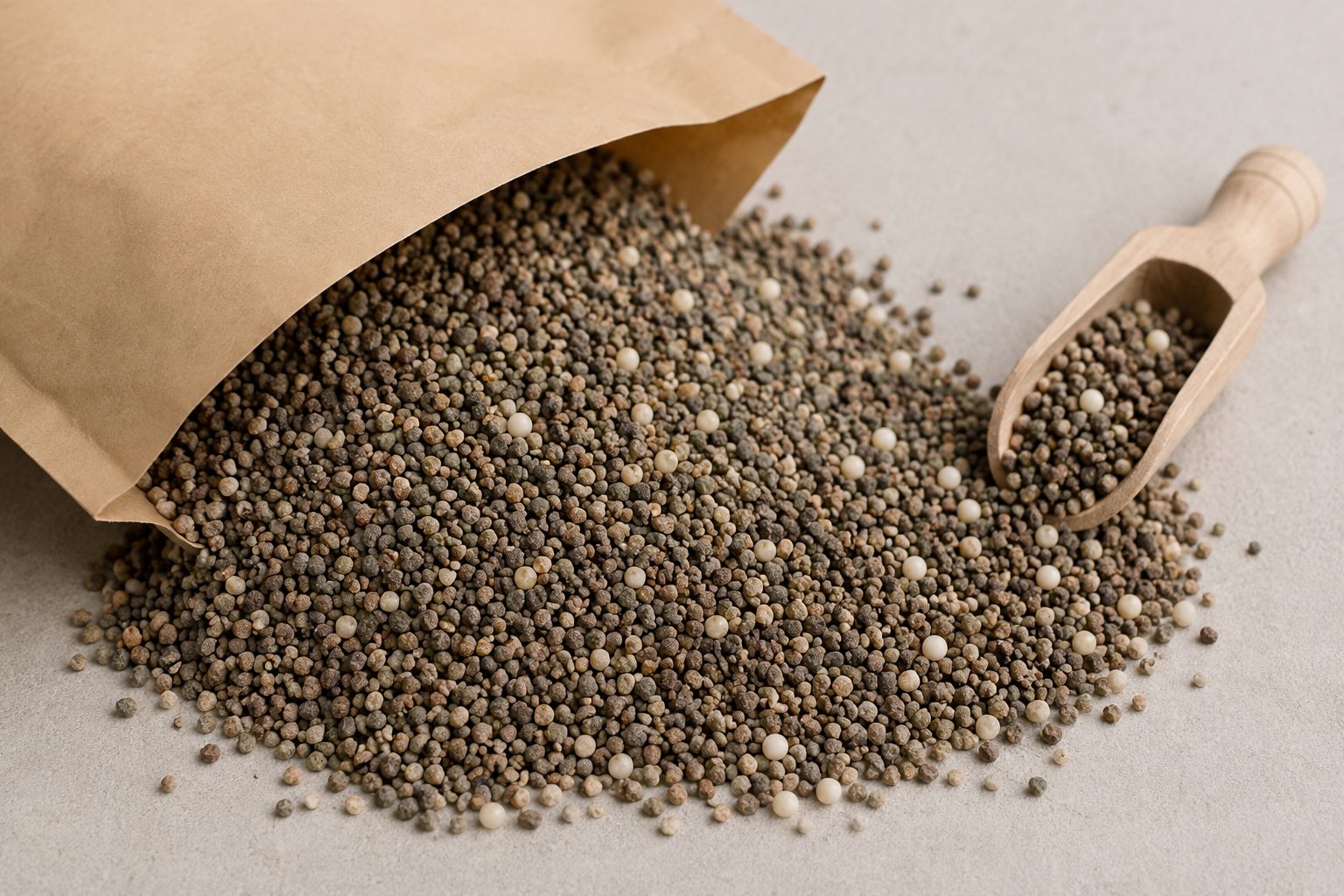
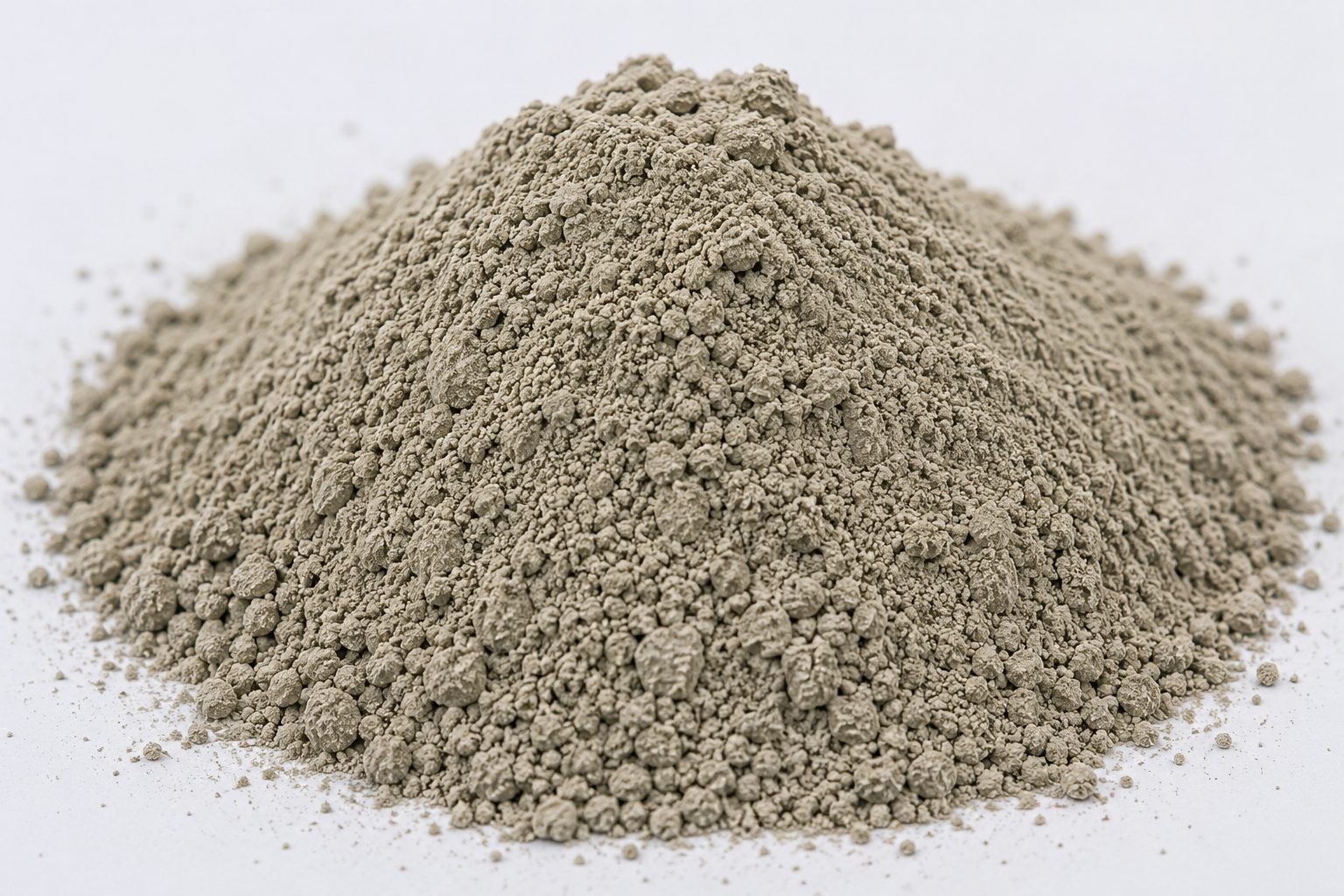
Bentonite is a naturally occurring clay primarily composed of the mineral montmorillonite. It is known for its excellent swelling water absorption binding sealing and adsorption properties making it suitable for applications across drilling foundry iron ore pelletization civil engineering animal feed paper pharmaceuticals cosmetics and many other industries.
What are the main types of bentonite
The two main natural types are Sodium Bentonite and Calcium Bentonite. Depending on the intended application bentonite may also be processed activated or modified to achieve specific performance characteristics required for industrial use.
What industries use bentonite
Bentonite is widely used in:
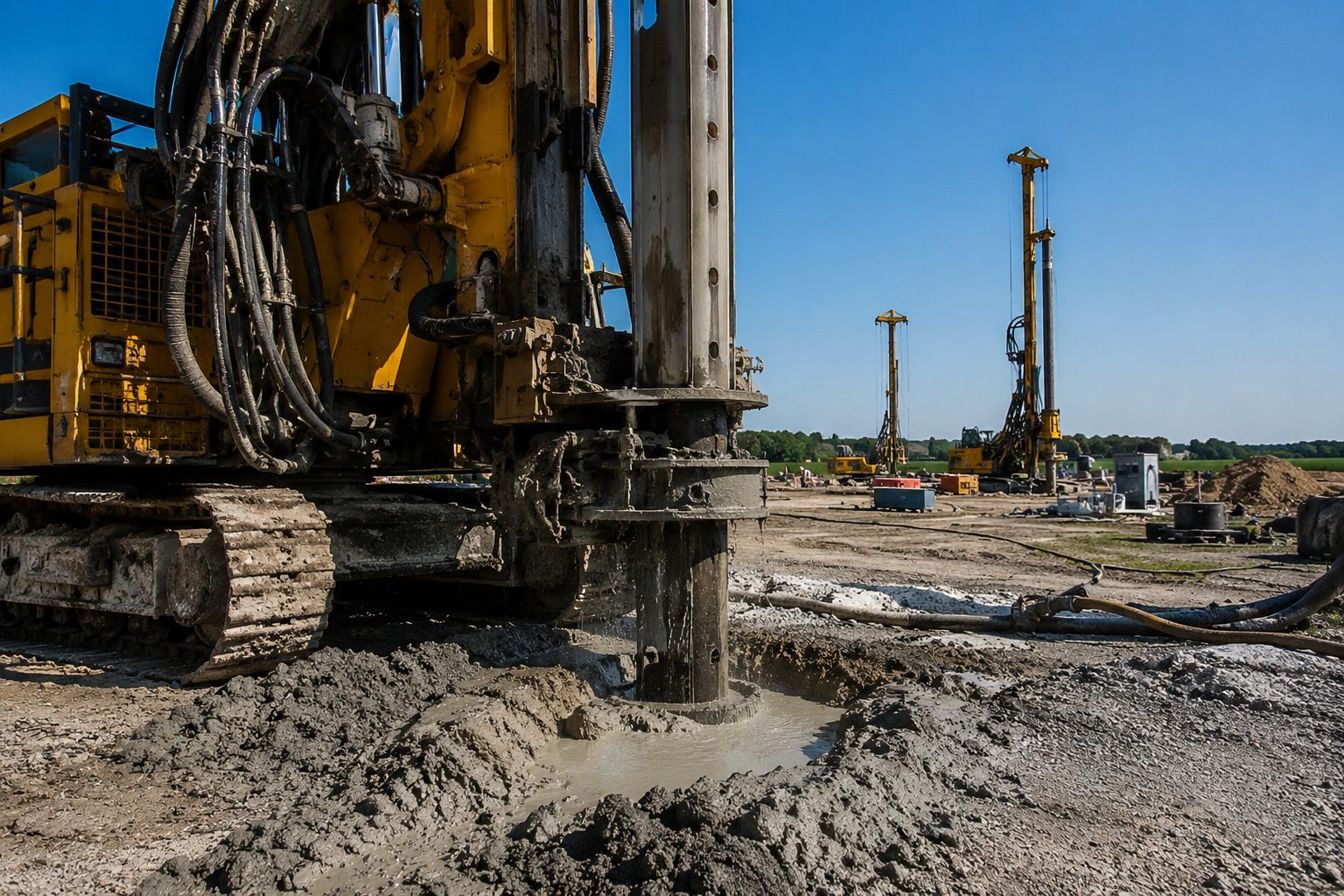
Oil & Gas Drilling
Water Well Drilling
Horizontal Directional Drilling (HDD)
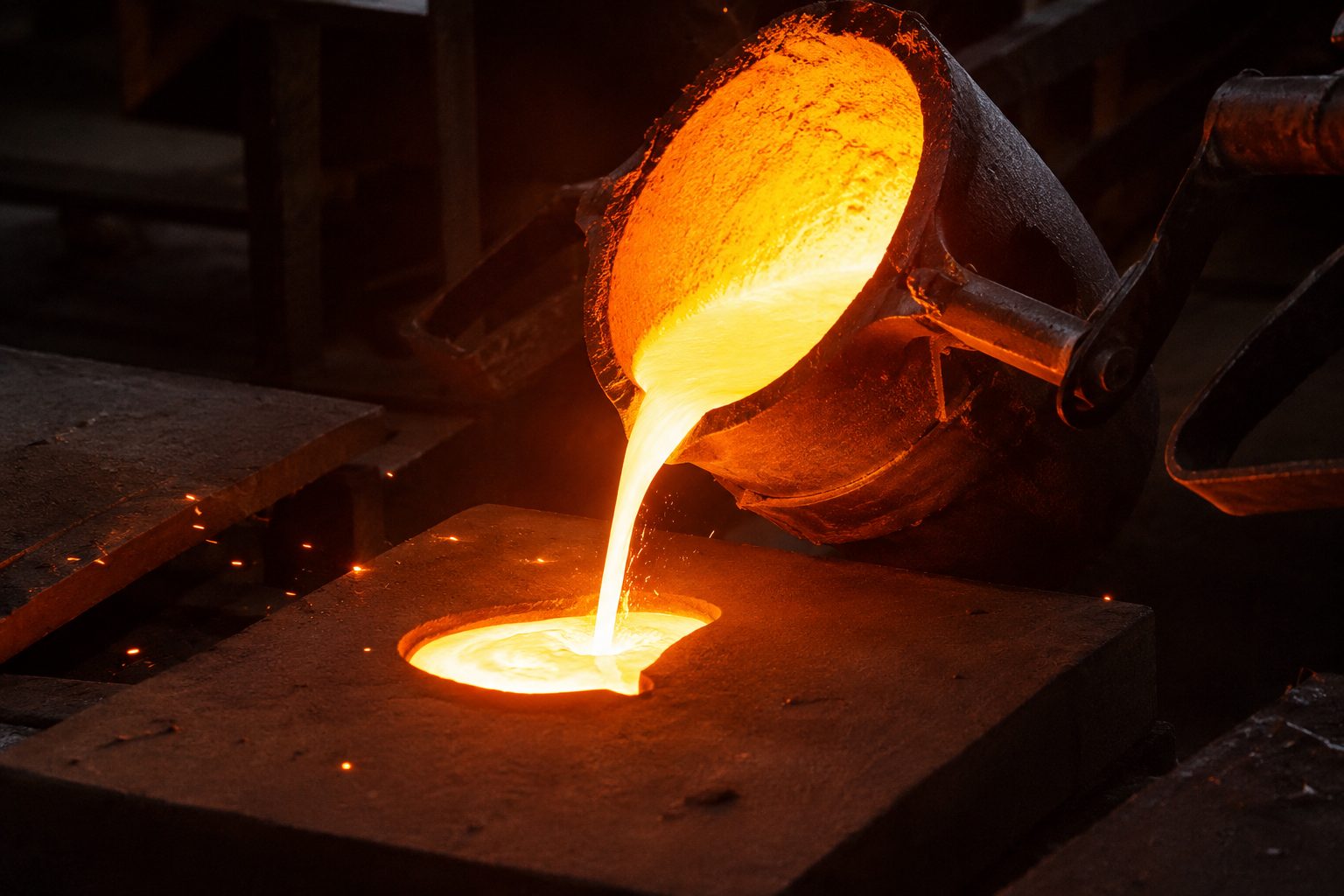
Foundries
Iron Ore Pelletization
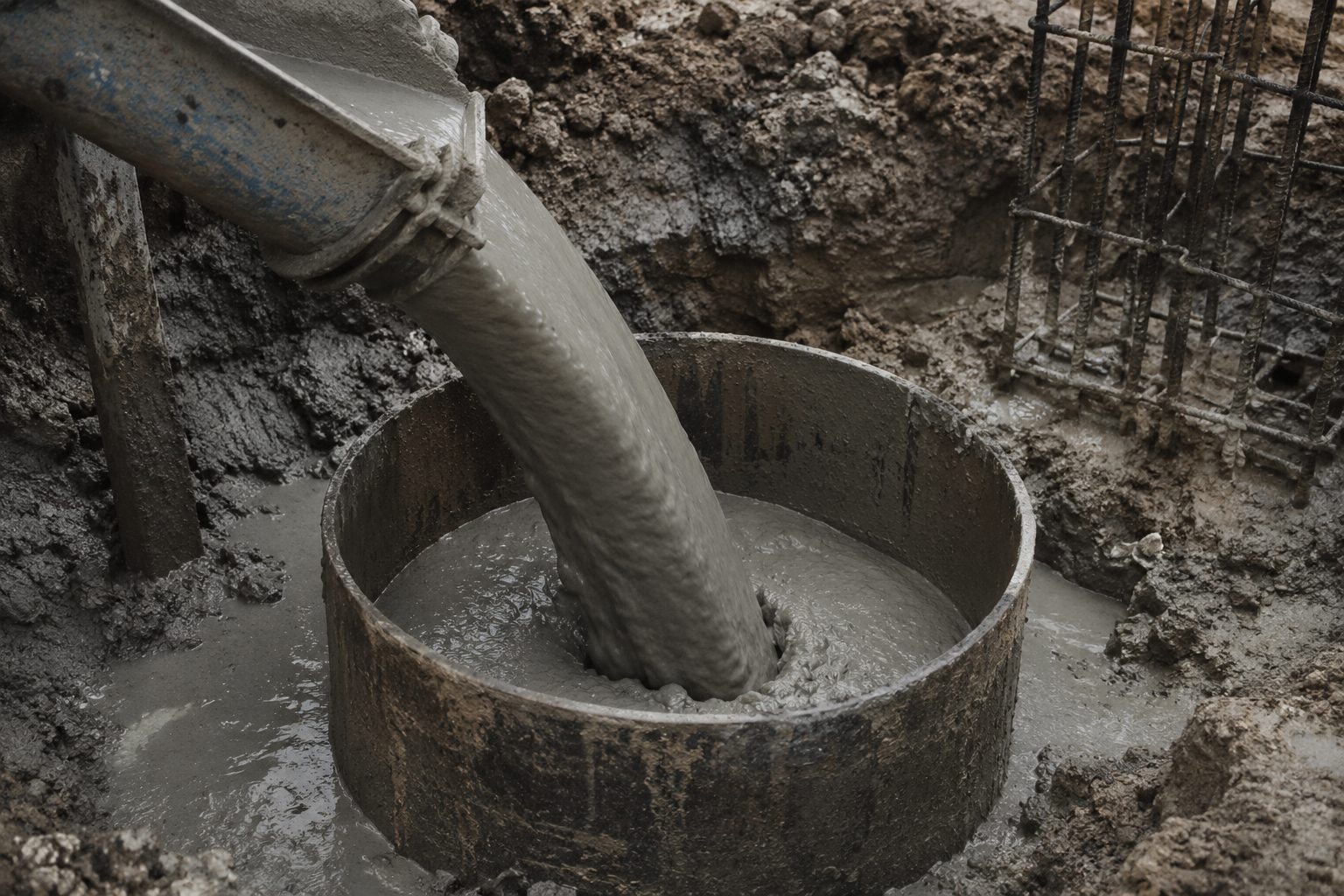
Civil Engineering & Piling
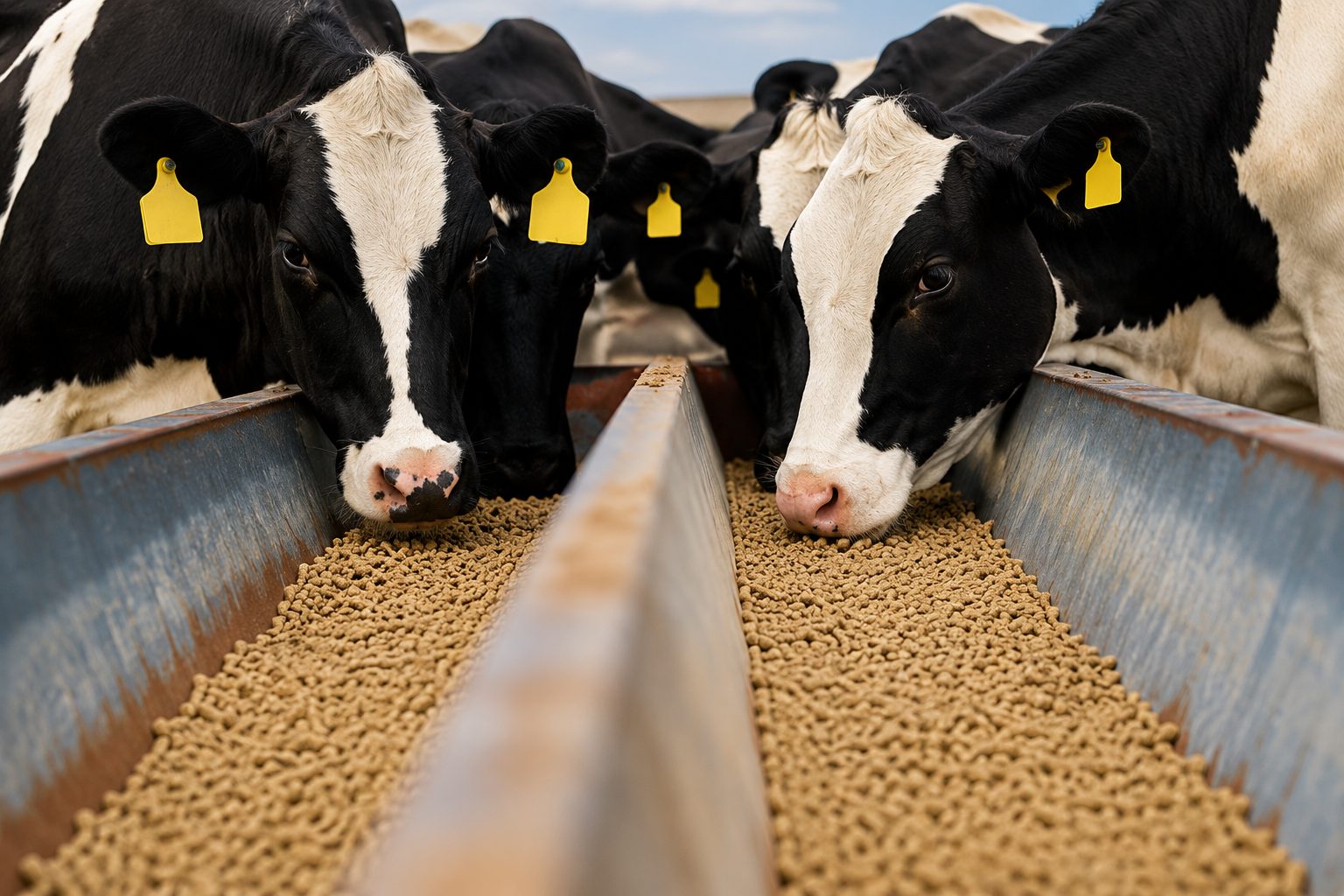
Animal Feed
Agriculture & Fertilizers
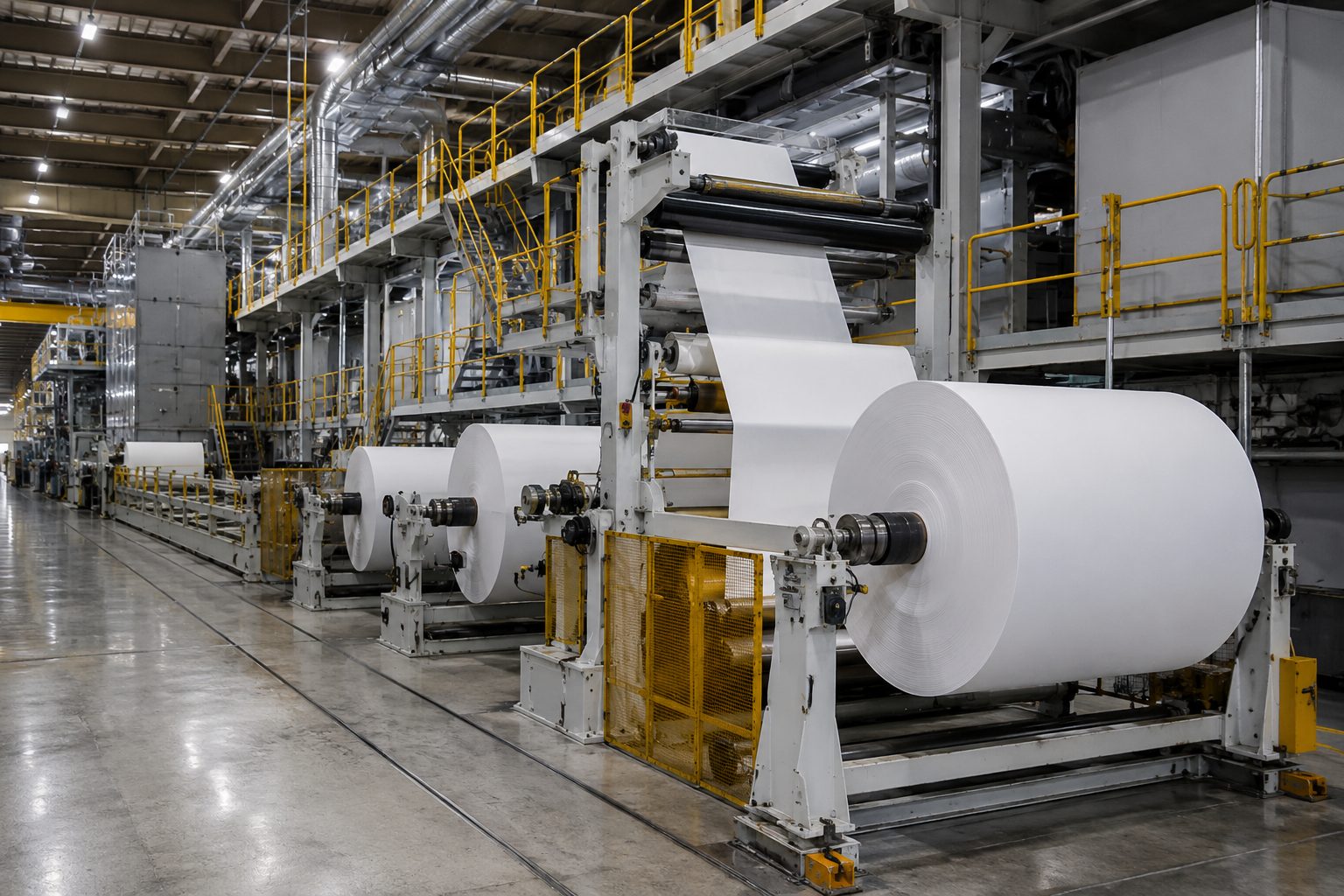
Paper & Pulp
Pharmaceuticals
Cosmetics
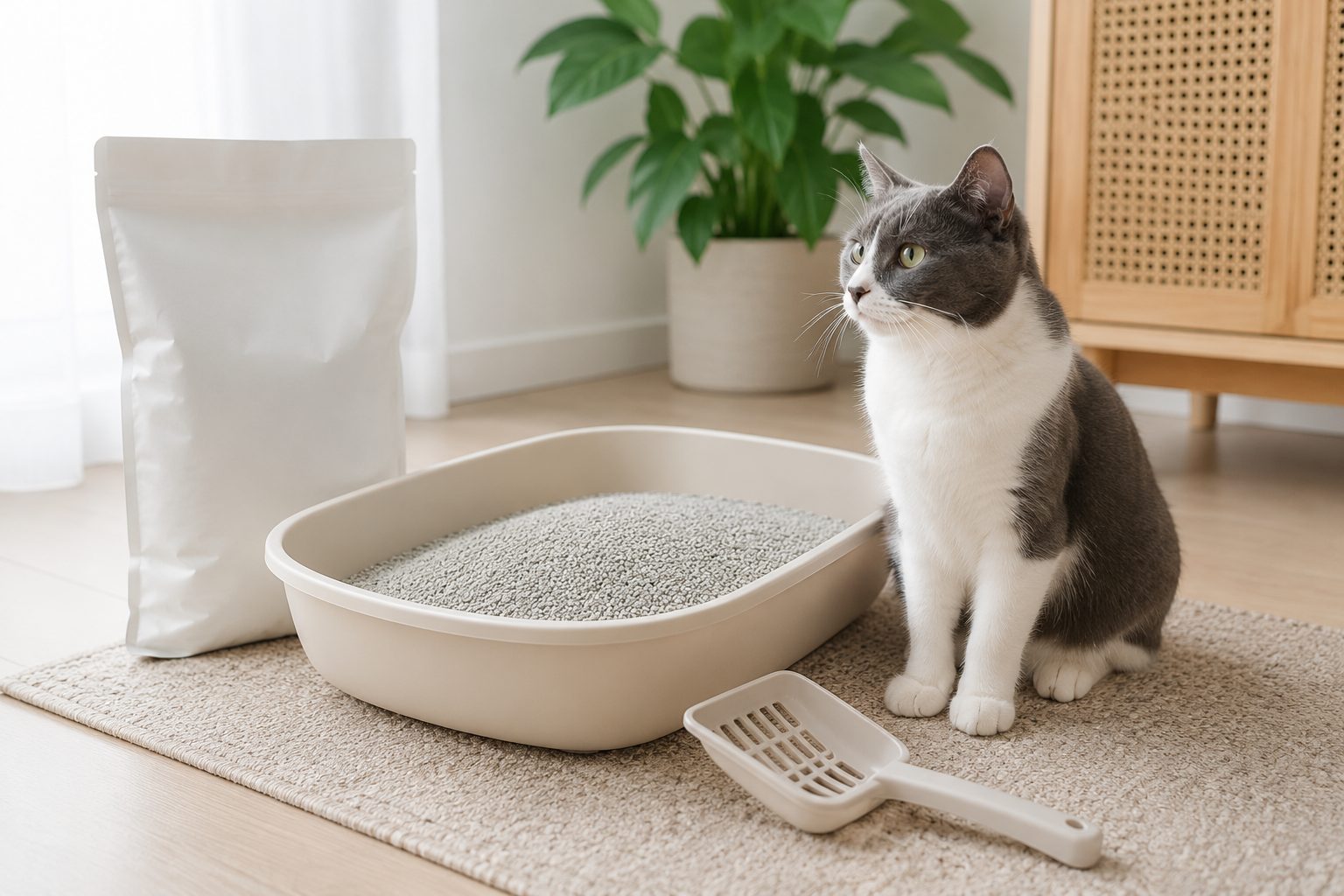
Cat Litter
Environmental Sealing
Construction
Water Treatment
What makes bentonite suitable for industrial applications
Bentonite offers a unique combination of high swelling capacity excellent water absorption strong binding properties good rheological performance sealing capability and high cation exchange capacity. These characteristics make it one of the most versatile industrial minerals available.
How do I choose the right bentonite grade
The appropriate grade depends on the intended application required performance operating conditions and customer specifications. Korvanto offers a wide range of bentonite grades designed for different industries and our team can recommend the most suitable solution based on your requirements.
Does Korvanto offer customized bentonite grades
Yes. In addition to our standard product range Korvanto can supply customized bentonite grades tailored to customer specifications application requirements and industry standards.
Can bentonite specifications be customized
Yes. Depending on the application representative properties such as swelling viscosity particle size moisture and other technical characteristics can be optimized to meet specific customer requirements subject to feasibility and production capabilities.
What packaging options are available
Korvanto supplies bentonite in a variety of export-ready packaging options including:
25 kg bags
50 kg bags
Jumbo Bags (FIBC)
Palletized shipments
Bulk supply options
Customized packaging upon request
Packaging can be adapted to customer and destination requirements.
Do you export bentonite internationally
Yes. Korvanto supplies bentonite products to customers worldwide with export documentation flexible packaging options and logistics support to meet international trade requirements.
What quality documents are available
Depending on the product and customer requirements Korvanto can provide Technical Data Sheets (TDS) Safety Data Sheets (SDS) Certificates of Analysis (COA) and other applicable export documentation upon request.
Is bentonite environmentally friendly
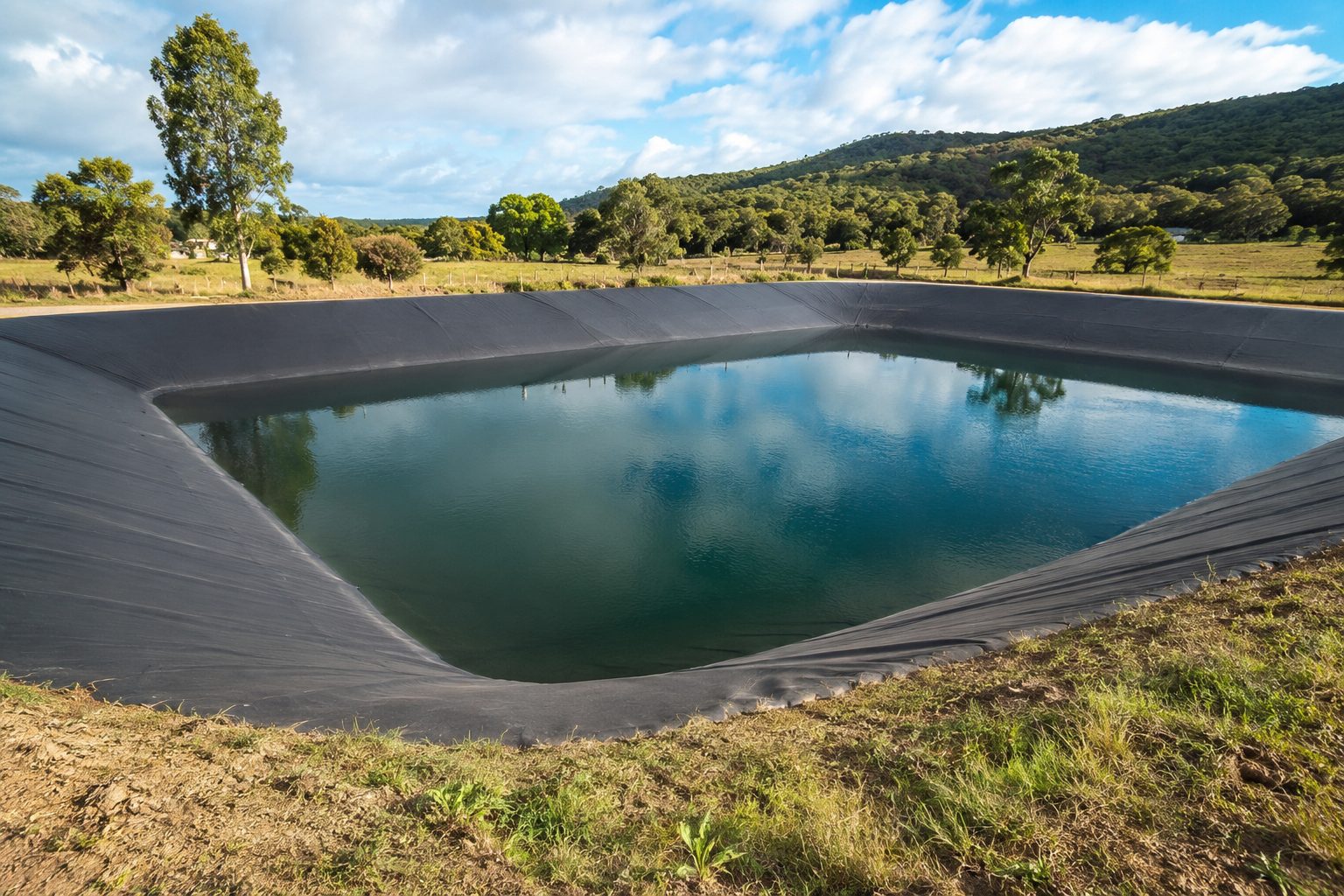
Bentonite is a naturally occurring mineral that is widely used in environmentally responsible applications such as sealing ponds landfill liners drilling fluids and water management systems. Appropriate handling and disposal should always follow local regulations and the intended application.
Can bentonite be used in multiple industries
Yes. Bentonite is one of the most versatile industrial minerals available. Different grades are engineered for specific industries such as drilling foundry iron ore pelletization animal feed civil engineering paper cosmetics pharmaceuticals agriculture and many other applications.
What factors affect bentonite performance
Performance depends on several factors including mineral composition montmorillonite content particle size moisture activation process application conditions dosage and the specific grade selected for the intended use.
Why choose Korvanto bentonite products
Korvanto offers a comprehensive portfolio of bentonite grades supported by consistent quality export-ready packaging technical documentation and responsive customer service. Our products are supplied to meet the diverse needs of industrial customers across global markets.
How can I request a quotation or technical support
Simply contact our export team through the website email WhatsApp or the Request a Quote form. Share your application required grade quantity destination country and any technical specifications and our team will provide an appropriate recommendation and quotation.
What is the difference between Sodium Bentonite and Calcium Bentonite
Sodium bentonite is known for its high swelling capacity superior water absorption and excellent viscosity making it ideal for drilling fluids civil engineering sealing and environmental applications. Calcium bentonite has lower swelling characteristics but offers good adsorption and binding properties making it suitable for applications such as animal feed agriculture absorbents and certain industrial processes. The appropriate type depends on the intended application and performance requirements.
What is Montmorillonite and why is it important
Montmorillonite is the primary clay mineral found in bentonite and is responsible for most of its valuable properties including swelling water absorption binding sealing and cation exchange capacity (CEC). In general a higher montmorillonite content contributes to improved performance although the required level varies depending on the intended application and industry.
What is Activated Bentonite
Activated bentonite is bentonite that has been chemically or thermally processed to enhance specific properties for particular applications. Acid-activated bentonite is commonly used in edible oil purification bleaching and chemical processing while soda activation improves the swelling and rheological properties of calcium bentonite for applications such as drilling fluids and civil engineering. The activation method depends on the desired end use.
What is Cation Exchange Capacity (CEC) in bentonite
Cation Exchange Capacity (CEC) is a measure of bentonite's ability to attract hold and exchange positively charged ions. This property contributes to its adsorption performance binding efficiency and interaction with water and other materials. CEC is particularly important in applications such as agriculture animal feed environmental remediation and water treatment where ion exchange plays a significant role in product performance.
How should bentonite be stored
Bentonite should be stored in a clean dry and well-ventilated area protected from moisture rain and contamination. Bags should be kept sealed until use and preferably stored on pallets away from direct contact with the floor. Proper storage helps preserve product quality flowability and performance throughout its shelf life.
 Product Family
.jpg)